Friday, 27 October 2017

Causes & Remedies of Kidney Stones


Kidney stones can vary in size. Some have been known to grow as large as golf balls.


The leading cause of kidney stones is a lack of water in the body.

Stones are more commonly found in individuals who drink less than the recommended eight to ten glasses of water a day.

When there is not enough water to dilute the uric acid (a component of urine), the urine becomes more acidic.

An excessively acidic environment in urine is conducive to the formation of kidney stones.

Symptoms of kidney stones

  • Severe pain in the groin and/or side
  • Blood in urine
  • Vomiting and nausea
  • White blood cells or pus in the urine
  • Reduced amount of urine excreted
  • Burning sensation during urination
  • Persistent urge to urinate
  • Fever and chills (if there is an infection)
Who gets kidney stones?

Kidney stones are more common among males than females. Most people who experience kidney stones do so between the ages of 30 and 50. A family history of kidney stones also increases one's chances of developing them.

Similarly, a previous kidney stone occurrence increases the risk that a person will develop subsequent stones in the future if preventative action is not taken.

Certain medications can increase the risk of developing kidney stones. Scientists found that topiramate (Topamax), a drug commonly prescribed to treat seizures and migraine headaches, can increase the likelihood of kidney stones developing.

Additionally, it is possible that long-term use of vitamin D and calcium supplements cause high calcium levels, which can contribute to kidney stones.

Additional risk factors for kidney stones include diets that are high in protein and sodium but low in calcium, a sedentary lifestyle, obesity, high blood pressure, and conditions that affect how calcium is absorbed in the body such as gastric bypass surgery, inflammatory bowel disease, and chronic diarrhea.

TREATMENT OF KIDNEY STONES

Medication

If you are in severe pain, your GP can give you pain relief by injection. A second dose can be given after half an hour if you're still experiencing pain.

Medication can also be injected to treat the symptoms of nausea (feeling sick) and vomiting. This is called an anti-emetic (anti-sickness) medication.

You may also be given a prescription for painkillers, anti-emetics, or both, to take at home.

Self care

You may be advised to wait until you pass your kidney stone when you go to the toilet, and to try to collect it from your urine. You can do this by filtering your urine through gauze or a stocking.

Give the stone to your GP so that they can have it analyzed to help determine any further treatment you may need.

You should drink enough water to make your urine colorless. If your urine is yellow or brown, you're not drinking enough.

Wednesday, 25 October 2017

Diet in Thyroid For weight loss


The thyroid gland is an important endocrine gland located in the neck and is the site for production of thyroid hormones. The synthesis of thyroid hormones is under the hypothalamus-pituitary control similar to other hormonal axes. Iodine is a major substrate for the synthesis of thyroid hormones and is derived mostly from the environment.  The relation of iodine and goiter is known for many centuries leading to the universal salt iodination program to limit the detrimental effects of iodine deficiency.

Previous observations also suggest the presence of goitrogenic substances in the diet, identifying an important role of dietary constituents in thyroidology. Thyroid disorders are very common in the society, affecting about 10-15% of the population. Universal salt iodization helped in the prevention of goiter and other iodine deficiency disorders.  iron, vitamin A and zinc also plays an important part of thyroid hormone synthesis.  Hence, dietary intake of all these micronutrients is essential for the functioning of the thyroid gland.

Start with these seven strategies to jump-start weight loss with hypothyroidism:

1. Consider going gluten-free.
2. Cut out simple carbs and sugars.
3. Eat more anti-inflammatory foods
4. Stick to small, frequent meals.
5. Keep a food diary.
6. Keep your body moving (do physical exercise)
7. Take thyroid medication as directed

Foods to avoid
Many common foods and supplements contain compounds that interfere with thyroid function. In general, it’s best to avoid the following:

Soya
Studies suggest that phytoestrogens in soybeans and soy-rich foods may inhibit the activity of an enzyme that makes thyroid hormones. One study found that women who consumed soy supplements were three times more likely to develop hypothyroidism.

Iodine-rich foods
Some forms of hypothyroidism are caused by a lack of sufficient iodine. In such cases, using iodized salt or iodine-enriched foods can be beneficial. But eating too much iodine can have the opposite effect and suppress thyroid gland activity. Check with your doctor before taking supplements.

Iron and calcium supplements
Taking iron or calcium supplements can also change the effectiveness of many thyroid medications.

High-fiber foods
Although a high-fiber diet is usually recommended, too much fiber eaten right after taking thyroid medicines may interfere with their absorption. Wait two hours before you eat a high-fiber meal (one with more than about 15 grams of fiber).

Certain vegetables
Cruciferous vegetables that are rich in fiber, like broccoli, cabbage, spinach, kale, and Brussels sprouts, may inhibit thyroid medication absorption. Reducing the amounts of such produce in the morning right after taking your medication may help.

Caffeine, tobacco, and alcohol can also influence the effectiveness of thyroid medicine. Ask your doctor for tips on how to regulate or reduce your consumption.

Hypothyroidism occurs when levels of the two thyroid hormones, triiodothyronine (T3) and thyroxine (T4), are too low. Although changing your diet alone isn’t enough to restore normal thyroid hormone levels, avoiding some foods and eating more of others can improve your body’s absorption of these hormones.

Foods to eat
Nutrient-rich foods that improve your health may also benefit your thyroid gland. Certain compounds and supplements may help as well. These include:

Antioxidant-rich fruits and vegetables
Blueberries, tomatoes, bell peppers, and other foods rich in antioxidants can improve overall health and benefit the thyroid gland. Eating foods high in B vitamins, like whole grains, may also help.

Selenium
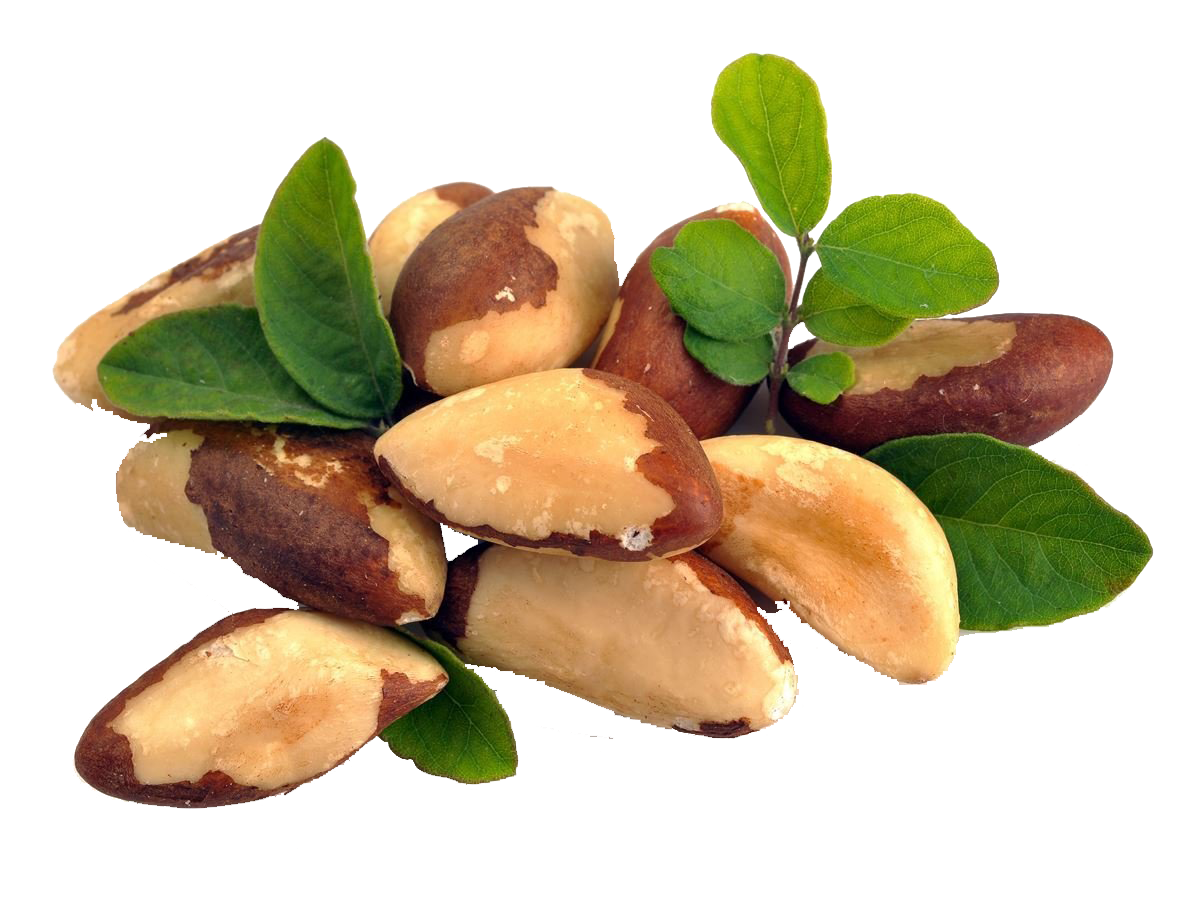
Tiny amounts of selenium are needed for the enzymes that make thyroid hormones to work properly. Eating selenium-rich foods, such as sunflower seeds or Brazil nuts, can be beneficial.

Conclusion

Dietary micronutrients play an important role in the synthesis of thyroid hormones. Iodine remains the cornerstone with increasing focus on other nutrients like selenium and zinc. Iodine consumption is a double-edged sword with disorders emanating from both the deficiency and excess consumption. The best advice for all patients is to consume a healthy balanced diet, meet the daily iodine requirement and eliminate the most potent goitrogenic substances from the diet. There is a lot of hype behind the thyroid diet with limited scientific basis and it is advisable to follow the recommendations of the treating physician.

Tuesday, 24 October 2017

The Top Selenium Food that Fights Inflammation

We know selenium benefits are enormous, but it’s often hard to get selenium in your everyday diet. So if you’re struggling to get this healthy compound, we got the food just for you: Brazil nuts.

Brazil nuts are quickly becoming one of the hottest foods for improving health and longevity. Brazil nuts can be part of an overall healthy diet plan because they contain rich amounts of other key nutrients as well.

Not many foods are able to improve your sexual performance, protect against cancer, and boost your metabolism, but Brazil nuts can!

Brazil nuts are the No. 1 food source on the planet for this chemical element. Enjoying just one to two Brazil nuts per day can be all you need — and even work better than a supplement — to maintain a healthy level of selenium in your body. Selenium is crucial to many bodily functions from mood to inflammation.

Anti-Inflammatory:

Brazil nuts are great for inflammatory issues in the body because they’re tremendous anti-inflammatory foods. Brazil nuts, as do most nuts, contain ellagic acid. Ellagic acid has high anti-inflammatory properties in the body and can even be neuroprotective. Another important anti-inflammatory agent in Brazil nuts is selenium, which is hugely important when combating inflammation in the body. 

Weight Management:

Brazil nut assists in weight management. It contains high amounts of protein and fiber that control hunger, thereby reducing weight. Eating a small serving of Brazil nuts keeps you full for a longer time, reducing the likelihood of snacking in between.

Anticancer:


Brazil nuts are also on the list of cancer-fighting foods, again due to their high ellagic acid and selenium levels. Ellagic acid is also antimutagenic and anticancer.


Anti-Depression:

As mentioned, the No. 1 food source on the planet for selenium is brazil nuts. Selenium has been scientifically proven to lift mood and prevent depression. 

Heart Health Booster:


In small amounts, Brazil nuts can provide a healthy boost to one of your most important organs — your heart. The selenium, potassium, calcium and magnesium present in these nuts are all helpful for maintaining a healthy blood pressure, which has a direct positive effect on heart health.

Thyroid Control:


Your thyroid helps control your metabolism, heart rate and body temperature. 


Glowing Skin:


Selenium in Brazil nuts speeds the cell turnover process, providing a natural glow to the skin. The high levels of antioxidants in Brazil nuts stimulate the production of glutathione, which combats free radicals that damage the skin collagen. The Vitamin E in Brazil nuts also maintains the integrity of the cells of the mucus membranes and the skin.


Acne:


The anti-inflammatory and anti-bacterial properties of Brazil nuts can be useful for treating acne and skin inflammation. Zinc in this nut reduces skin redness and promotes the production of collagen. It flushes out the toxins from the body, preventing the onset of acne.


It’s important not to overdo it with these nuts, since the high selenium content can be detrimental if you overload your body with it. Brazil nuts also spoil quickly, so make sure to purchase them in reasonable amounts.

Friday, 20 October 2017

Detox After Diwali


As we all know Festivals bring in good cheer, happiness, and mouth-watering varieties food. The sweetmeats during Holi are made exclusively for this season and it is truly difficult to resist this temptation—Gujia, Jalebi etc. The delicacies are endless and so is the indulgence. Families and friends come together and one tends to indulge in them more than it is needed.

Diwali is the festival of lights and SWEETS, brings a lot of joy and also weight. Diwali is infamous for being the time when people start eating different types of sweets that eventually adds to the flab that they have lost after dieting and exercising for a long time.  It becomes very difficult for health-conscious people to maintain their diet and keep a check on their calorie intake.

Role of Detox Diet 

A detox diet can help you begin a healthier eating plan by making you feel cleaner and lighter. Once you feel your body rid itself of all those toxic chemicals, and you enjoy the benefits such as regular bowel movements, a clearer complexion, and more energy, you’ll probably feel motivated to continue eating well and will be less inclined to clog your body with unhealthy foods. People often report improved energy, clearer skin, regular bowel movements, improved digestion, and increased concentration and clarity after a detox diet.


Advantages of an Instant Detox-

  • A clean healthy renewed system which leaves you light, energetic and feeling fresh 
  • A boost of antioxidants resulting in a well-hydrated skin looking radiant and luminous 
  • A quick unload of toxins which leaves your body slimmer and fitter 
  • A confident, active and alert you, shrugs off the sluggishness of the body 
  • A healthy and natural way to kick-start your healthy lifestyle once more
  • A psychological motivation, far precious than anything else as you see your weight go down again getting you recharged right away. 

This is a three-day detox program which will help your body get rid of at least some of the effects of any toxins from alcohol and the oily foods.

Detox Diet

1.Day One

7 a.m. green tea + 2,3 almonds + 1 walnuts ( overnight soaked ) 
9 a.m. apple shakes //apple +milk 
10 a.m.  green tea 
11 a.m. Coconut water
Noon A platter of fruits// fruit chaat 
4 p.m. 2 fruit crush 
6.30 p.m. A full plate of papaya with lime.
Dinner – milk + wheat flakes 
Sip warm water or Green Tea throughout the day.

2.Day Two

8 a.m. Lemon  with lukewarm water 

9 a.m. One piece of fresh fruit such as apple, pear, papaya, grapes or citrus.
15-30 minutes later: One bowl of cooked whole grains oats or wheat
Noon Coconut water
Lunch -1 pm: One-two medium bowls of steamed vegetables. Use a variety, including roots, stems and greens )
4 p.m. Green tea
6.30 p.m. bananas, apple, grapes and papaya. ( chaat)
Dinner ( 8 pm) veg soup // smoothies 
Sip water with lemon throughout the day.

3.Day Three

8 a.m. Lemon water
9 a.m. Coconut water// green tea 
Snack - fruits till noon or fruit salad 
Noon -Vegetable soups of beetroot, spinach, lemon, mint, Ginger, cucumber.
Lunch -. Salad of raw vegetables. + a bowl of steamed vegetables + sprouts
4 p.m. Green Tea with few nuts like almonds and walnuts.
6.30 p.m. a bowl of papaya// papaya shakes 
Dinner – milk wheat flakes // fruit + milk 
water with lemon throughout the day.

Step Guide To Detoxing After Diwali

Start your day with lemon water

Drinking lemon water in the morning flushes out toxins and excess sugar from the system, thus promoting weight loss. It also encourages healthy digestion and helps relieve symptoms of indigestion such as heartburn, burping and bloating.

Fill your plate with salad

Eat raw vegetables and fruits and veggies like cucumber, carrots, radish, tomatoes, onions, oranges, papaya, apples off before every meal. Raw foods make you feel amazing and are known for removing toxins and healing your body fast.

Exercise Regularly 

Apart from healthy diets it is very important to do physical activities like yoga, medications etc

Drink water

water is one of the most popular tools for weight loss to come around in a long time, and for great reasons.Drink water as much you can 12- 13 glasses in order to boost up metabolism and energy  Start your day by drinking warm water with half a lemon squeezed in or a cleansing herb tea and Drink at least 12- 13glasses of water every day. Squeeze in some lemon juice or add some mint for an extra dose of freshness.

Detoxification is not only about elimination and abstaining. It takes at least 3-4 weeks for any new lifestyle change to become a habit. Try to follow these guidelines and you will end up with greater energy, improved overall health, and rejuvenated long term glow.

Wish you  happy and prosperous Diwali

Eat healthy and stay healthy.

Saturday, 14 October 2017

CONTROL YOUR SUGAR ON THIS DIWALI WITH LOW-CAL DESSERTS


Festivals are around the corner and we all are ready to bust firecrackers as well as sweet in our mouth.  Don’t we love this time of year? We all have sweet tooth, so does the people with diabetes. But here the problem with diabetes, sugar can increase the blood glucose level and that can be a big problem for them. Family visits and the gift will be exchanged. But not to fear! This year, you can enjoy these low-cal desserts with significantly lessened sugar content -- here's how to prepare them-


1. Ras Malai

Ras Malai, originally from Orissa, is a very popular milk-based dessert. It consists of sugary, cream-colored (it can be yellow too) balls of paneer (cottage cheese) soaked in malai (cream) and flavored with cardamom. It is specially made during the festive season.

Good for: Diabetes, heart disease, hypertension, healthy bones, women's health
Health factor: Low sugar, low fat, low salt, high calcium, high protein, high minerals

Preparation time: 10 minutes

Cooking time: 20 minutes

Ingredients (makes 20 pieces):
  • 1-liter milk
  • 1 tsp vinegar
  • 1 tsp corn flour
  • 1 cup water
  • 10 almonds
  • 1/2 cup sugar or sugar-free Natura powder
Method:
  • Boil 500 ml milk. Add vinegar, till paneer is separated.
  • Switch the burner off and cover the paneer for a minute with a lid.
  • Strain the water away. Do not press too hard on the strainer.
  • Empty the paneer into a plate and add corn flour to it. Beat till it becomes a soft dough and make small balls out of it.
  • In a pressure cooker, add water and sugar/ sugar-free powder. Let it boil.
  • Put the paneer balls in and cover with the lid. Pressure cook till one whistle.
  • Take the remaining 500 ml milk in a kadai and boil it. Remember to keep stirring the milk, or it will stick to the bottom and give a burnt flavor. Simmer on low flame for 15 minutes.
  • Let it cool. Add the rasgullas (the paneer balls) to this mix and add sugar-free Natura powder. Decorate with chopped almonds.
  • Serve cold.


2. Badam Phirni

This low-calorie Badam Phirni recipe is a popular dessert made of almond, rice and milk. It has a smooth, rich and creamy taste. People who love payasam and kheer will surely like this easy and quick-to-prepare dish.
Good for: Diabetes, heart disease, high cholesterol, hypertension, weight loss, healthy bones, women's health, post-menopausal health, gastrointestinal health
Health factor: Low sugar, low fat, high calcium, high protein

Preparation time: 30 minutes

Cooking time: 1 hour

Ingredients (for four servings):
  • 5 tbsps rice (red rice)
  • 5 cups skimmed milk
  • 8-10 almonds, blanched and crushed
  • 4 tbsps grated jaggery (gur)
  • 1/2 tsp green cardamom (elaichi) powder
  • 1 tsp rose water
  • 4-6 blanched, slivered pistachios
Method:
  • Soak the rice in water for 30 minutes.
  • Remove the water and grind the rice to make a smooth paste.
  • Dilute the rice paste in half a cup of water and set aside. Boil milk in a non-stick saucepan.
  • Reduce heat and add the diluted rice mixture to the milk.
  • Cook on a medium flame for about five minutes or till the mixture thickens. Stir continuously.
  • Add jaggery, crushed almonds, and green cardamom powder.
  • Reduce heat and cook till jaggery has completely dissolved.
  • Remove from heat and mix with rose water.
  • Pour into separate serving bowls.
  • Garnish with pistachios.
  • Chill in the refrigerator for an hour before serving.

3. Bran muffins              
These healthy muffins are made from 100 percent whole grains, including both wheat bran and oat bran (providing soluble and insoluble fibre at once), and yet they do not taste like sawdust.
Good for: Cancer, diabetes, heart disease, high cholesterol, hypertension, weight loss, gastrointestinal health.
Health factor: Low fat, low cholesterol, high fibre, high protein, high iron

Preparation time: 10 minutes

Cooking time: 25 minutes

Ingredients (makes 10-15 laddoos):

  • 1 cup wheat bran
  • 1/2 cup oat bran
  • 2 eggs
  • 1/2 tsp baking soda
  • 1 tsp cinnamon (dalchini)
  • 1/2 cup sugarfree apple sauce
  • 1/2 cup dry milk powder
  • 1/2 tsp baking powder
  • 1/2 cup sweetener
  • 1 tsp vanilla essence
  • Optional: 1/4 tsp grounded ginger (adrak)
  • Optional: A pinch of nutmeg (jaiphal)

Method:

  • Pre-heat oven to 375 degrees F (190 degrees C).
  • Grease a standard-size muffin pan or line cups with paper liners.
  • Mix dry ingredients (wheat and oat bran, baking soda, cinnamon, ginger, milk powder, baking powder, sweetener, and nutmeg) in a large bowl and set aside.
  • Combine wet ingredients (eggs, applesauce and vanilla essence) in a small bowl and pour into dry ingredients and mix with a spatula.
  • Fill muffin cups with batter.
  • Bake until a toothpick inserted in the centre of a muffin comes out clean -- about 20 to 25 minutes.
  • Cool muffins in pan for 10 to 15 minutes, then carefully remove from pan and serve warm, or let cool on a wire rack.

Tuesday, 3 October 2017

HEART HEALTH WITH GARLIC


Garlic is one of most healthy foods on the planet. Our ancestors have known this for an eternity. Join us as we discover more about this superfood. Garlic is a plant often referred to as the “stinking rose”. This is for a good reason, garlic is one heck of a beneficial food and amazing as a nutritional supplement. Many cultures throughout history have used garlic in cooking, recognizing its health value. Today, garlic gives great flavor to many dishes, but it can also be found in supplement form, providing medicinal value.

CARDIOVASCULAR BENEFITS INCLUDE:
  • Reduces artery plaque formation.
  • Lowers blood pressure. Many studies confirm that systolic blood pressure drops by 10% on average in those who use garlic.
  • Decreases LDL particles.
  • Decreases LDL oxidation. This is the “holy grail” when it comes to damaged lipid and heart risk. I test all my patients for ox-LDL.
  • Lowers triglycerides.
  • Inhibits platelet aggregation.
  • Increases fibrinolytic activity as garlic acts as a natural clot buster.
  • Lowers blood sugar.
  • Anti-cancer. Lowers prostate cancer risk by 23%. Lowers lung cancer risk by 44%. Almost 1000 studies on garlic and cancer.
  • Anti-microbial.

What is Allicin?

Allicin is the compound to thank for garlic’s medicinal properties. Allicin contains sulfur which is critical for cellular detoxification and chemical removal. It is absorbed well then quickly metabolized to benefit the cardiovascular system and the rest of the body.

Tips for Adding Garlic to Your Diet

Not sure how to get a regular dose of garlic? This isn’t rocket science.
  • You can use fresh garlic (like you see at the grocery store) or as a nutritional supplement.
  • The best time to eat garlic is when it’s raw. Cooking it at 140 degrees or higher will destroy the allicin. If you don’t like it fresh, throw it into your recipe at the end so that it doesn’t heat up too much. We love to top off our burgers, chicken, lamb, and eggs with raw or minimally cooked garlic.
  • Add raw garlic to a fresh, organic greens juice.
  • Garlic supplements have a high, concentrated amount of allicin.

Try garlic for the multitude of health benefits. At the very least.

Wednesday, 27 September 2017

CHOCOLATE FIGHT: MILK CHOCOLATE VS DARK CHOCOLATE


This is for all the chocolate lovers. They say chocolates are guilty pleasures, but when you think about the health benefits, they are not so sinful at all. Dark chocolate and milk chocolate are two of the world’s famous and well-loved chocolate types. The dark one has at least 60% more cocoa than the white one. However, this is not where their health benefit fight stop.

=> ABOUT Both chocolates are made with cocoa, which has flavonoid. So higher the amount of cocoa, higher the amount of flavonoid. When it comes to how the two are made, dark chocolate has small sugar content and vanilla. It also has cocoa liquor, powder, and butter. On the other hand, milk chocolate has the same ingredients but has more sugar and milk. Hence milk chocolate has high calorific value.

=> HEALTH BENEFITS Now let’s talk about the health benefits of both dark and milk chocolate. The battle between dark and milk chocolate all boils down to the possible health benefits. Flavonoid is said to have the ability to lower blood pressure while increasing the good cholesterol in the body. It also reduces the risk of blood clotting and improves the performance of the brain. If you are feeling down, flavonoid can help pick you up and even sustain the flexibility of your blood vessels. Flavonoids are also believed to be effective in fighting off certain cancers. It also increases your basal metabolic rate (BMR) and hence helps you to lose weight. Since dark chocolate has more flavonoid content, you can say that this has more benefits than milk chocolate. 

=> DARK CHOCOLATE VS MILK CHOCOLATE. Dark chocolates have five grams of healthy monounsaturated fatty acids, almost two grams more than milk chocolates. Dark chocolate is a much healthier because it only has half the sugar content of sugar, but boasts four times more fiber content. Of course, milk chocolates have more calcium due to the high milk content. However, the iron levels you get in dark chocolates are much higher than white. Plus, dark ones have more magnesium, potassium, and phosphorus.

=> AND THE WINNER IS. Both have their own benefits, but if you take a good look at it, there is no denying that dark chocolate has more health benefits than milk chocolate.